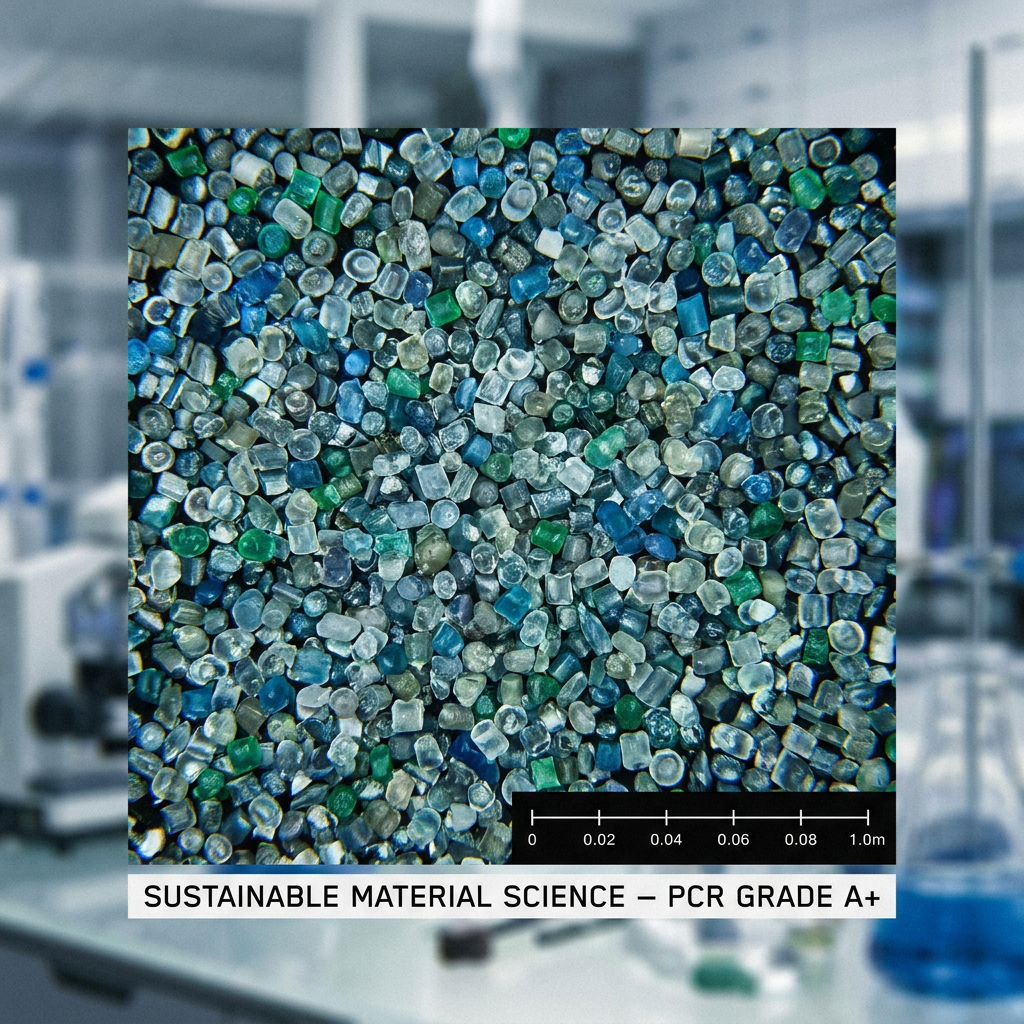
As the call for environmental responsibility grows louder, PCR plastic (Post-Consumer Recycled plastic) has emerged as a frontrunner in the quest for sustainable packaging. Unlike traditional plastic, which is made from virgin fossil fuels, PCR is made from materials that have already been used by consumers and recycled.
\n\n
Using PCR plastic in cosmetic bottles and tubes significantly reduces a brand’s carbon footprint. It diverts plastic waste from landfills and oceans, closing the loop in a circular economy. For many beauty brands, incorporating 30%, 50%, or even 100% PCR content is a powerful way to demonstrate a commitment to the planet without sacrificing the durability and versatility of plastic packaging.
\n\n
However, transitioning to PCR comes with technical considerations, such as potential slight variations in color or texture. Progressive brands view these “imperfections” as a badge of honor, signaling to consumers that the packaging is genuinely recycled.
\n\n
Key Benefits of PCR Plastic:
\n
- \n
- Reduced Resource Extraction: Less reliance on new petroleum-based resins.
- Energy Savings: Manufacturing PCR often requires less energy than virgin plastic.
- Consumer Appeal: Conscious consumers actively seek out brands using recycled materials.
- Market Compliance: Helps brands meet new global plastic tax requirements and recycling mandates.
\n
\n
\n
\n
\n\n
PCR vs. Virgin Plastic Comparison
\n\n
| Feature | PCR Plastic (Recycled) | Virgin Plastic |
|---|---|---|
| Environmental Impact | Low (Circular) | High (Resource Intensive) |
| Carbon Footprint | ~25-50% Lower | Baseline |
| Color Clarity | Slight grey/yellow tint | Crystal Clear |
| Cost | Often slightly higher | Lower |
\n\n
Conclusion:
\n
PCR plastic is no longer a niche material; it is a cornerstone of modern, responsible packaging. By integrating PCR into your product lines, you take a tangible step toward a cleaner future while meeting the expectations of today’s eco-conscious shoppers.
\n\n
FAQ Section:
\n
Q: Is PCR plastic safe for cosmetics?
\nA: Yes, high-quality PCR resin goes through rigorous cleaning and testing to ensure it is safe for cosmetic formulations.
\n
Q: Can PCR plastic be recycled again?
\nA: Yes, PCR-based packaging is generally just as recyclable as virgin plastic, assuming it is put back into the correct recycling stream.
\n
Q: Does PCR affect the shelf life of products?
\nA: No, the barrier properties of PCR are nearly identical to virgin plastic, ensuring your product remains protected.