Minimum Order Quantity (MOQ) is one of the most important terms in any packaging procurement negotiation. For brands sourcing cosmetic packaging from Chinese suppliers, understanding MOQ dynamics and negotiation strategies can significantly impact your cost structure and supply chain flexibility. This guide provides practical strategies for navigating MOQ requirements.
Why Suppliers Set MOQs
Chinese packaging suppliers establish MOQs for several legitimate business reasons. Raw material procurement requires minimum purchase volumes from upstream suppliers. Production line setup and changeover incur fixed costs that must be spread across sufficient units. Mold fabrication costs, which can range from hundreds to thousands of dollars, need volume amortization. Additionally, quality control processes become more cost-efficient at larger scale. Understanding these supplier economics helps frame more productive negotiations.
Typical MOQ Ranges by Product Category
While every supplier differs, the following ranges provide a general benchmark for cosmetic packaging MOQs from Chinese manufacturers:
- Glass bottles and jars: 5,000–10,000 units per SKU for custom molds; 500–2,000 units for stock bottles with decoration
- Plastic bottles and jars: 10,000–30,000 units for blow-molded custom shapes; 2,000–5,000 units for stock containers
- Aluminum bottles and tubes: 5,000–10,000 units per SKU
- Bamboo and wooden components: 1,000–5,000 units, often lower due to simpler manufacturing
- Paper packaging and boxes: 500–2,000 units for standard designs
Negotiation Strategies to Lower MOQs
Several proven approaches can help brands negotiate more favorable MOQ terms:
- Offer a MOQ premium: Propose paying 10-20% above the standard unit price in exchange for a reduced MOQ. This compensates the supplier for the inefficiency of a smaller run while allowing you to test the market.
- Bundle multiple SKUs: Combine several product variants to reach a higher total volume, even if individual SKU quantities are low. Many suppliers will accept this if the products share similar production processes.
- Use stock molds: Choosing from the supplier’s existing mold library eliminates mold fees and often reduces MOQ requirements significantly.
- Commit to a phased schedule: Agree to a larger total order with staggered delivery dates. For example, commit to 15,000 units total with 5,000 delivered monthly over three months.
- Build a long-term relationship: Suppliers are more flexible with buyers who demonstrate consistent repeat business. Start with what you can commit to and negotiate better terms on subsequent orders.
Red Flags and When to Walk Away
Not all MOQ negotiations are productive. Watch for suppliers whose MOQ drops dramatically with little justification — this may indicate quality shortcuts. Be cautious if the unit price increases disproportionately when MOQ decreases. If a supplier refuses to provide samples before production, consider this a significant warning sign regardless of MOQ terms.
Conclusion
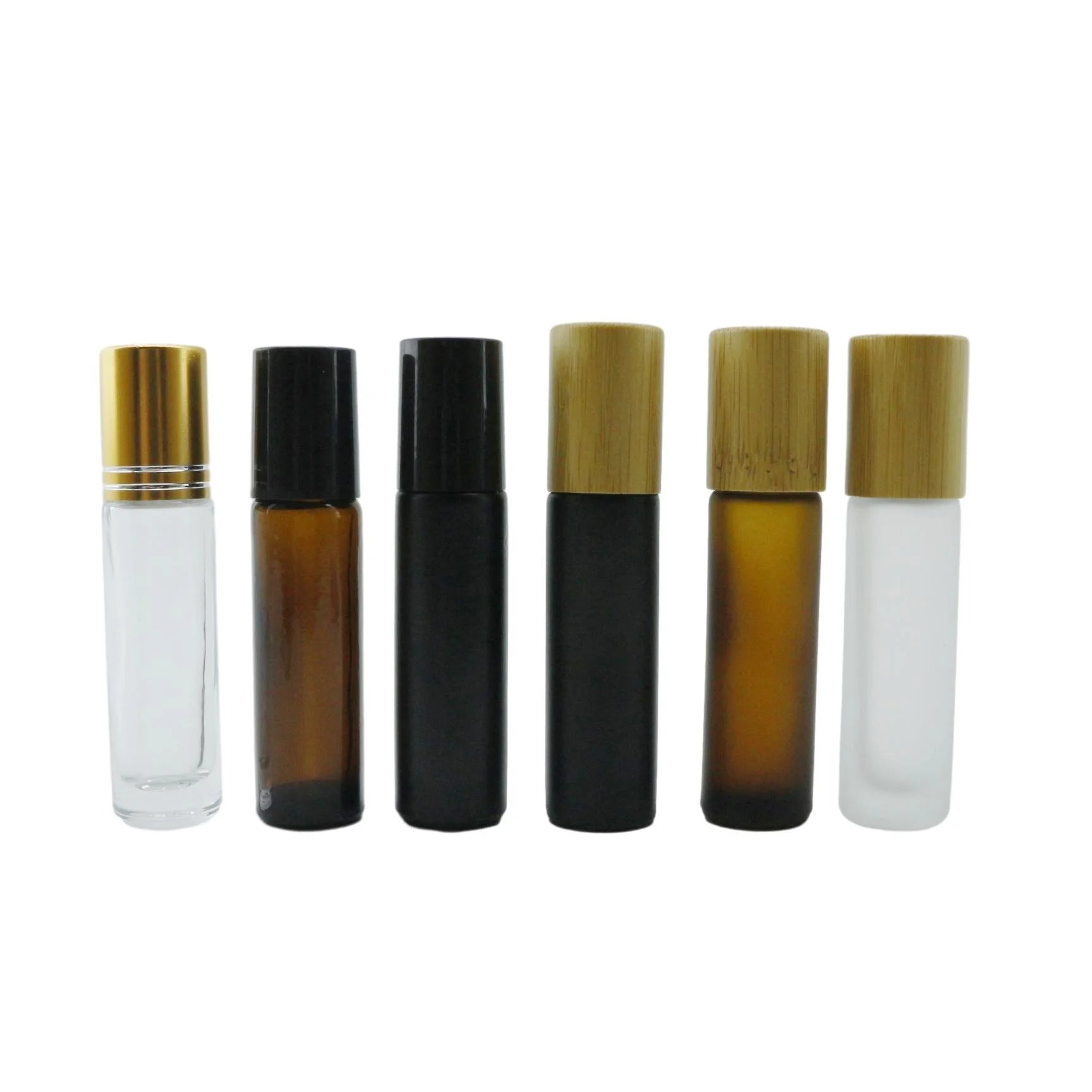
MOQ negotiation is a skill that improves with experience and market knowledge. By understanding supplier economics, approaching negotiations collaboratively, and using creative deal structures, cosmetic brands can secure packaging terms that align with their growth stage. For MOQ-friendly packaging options, browse our wholesale and sourcing collection.