Custom plastic bottles offer cosmetic brands one of the most flexible packaging solutions available. From color matching to unique shapes and premium finishing techniques, the customization possibilities are extensive. This guide explains the key options brands should understand when developing custom plastic packaging.
Color Customization
Plastic bottles can be colored using several methods, each with different cost and quality implications:
- Masterbatch coloring: Color pigments are mixed directly into the plastic resin before molding. This produces consistent, through-and-through color that will not chip or peel. Masterbatch matching can achieve precise Pantone colors for brand consistency.
- Spray coating: A colored coating is applied to the external surface of a clear or white bottle. This allows for gradient effects, metallic finishes, and soft-touch textures that cannot be achieved through masterbatch alone.
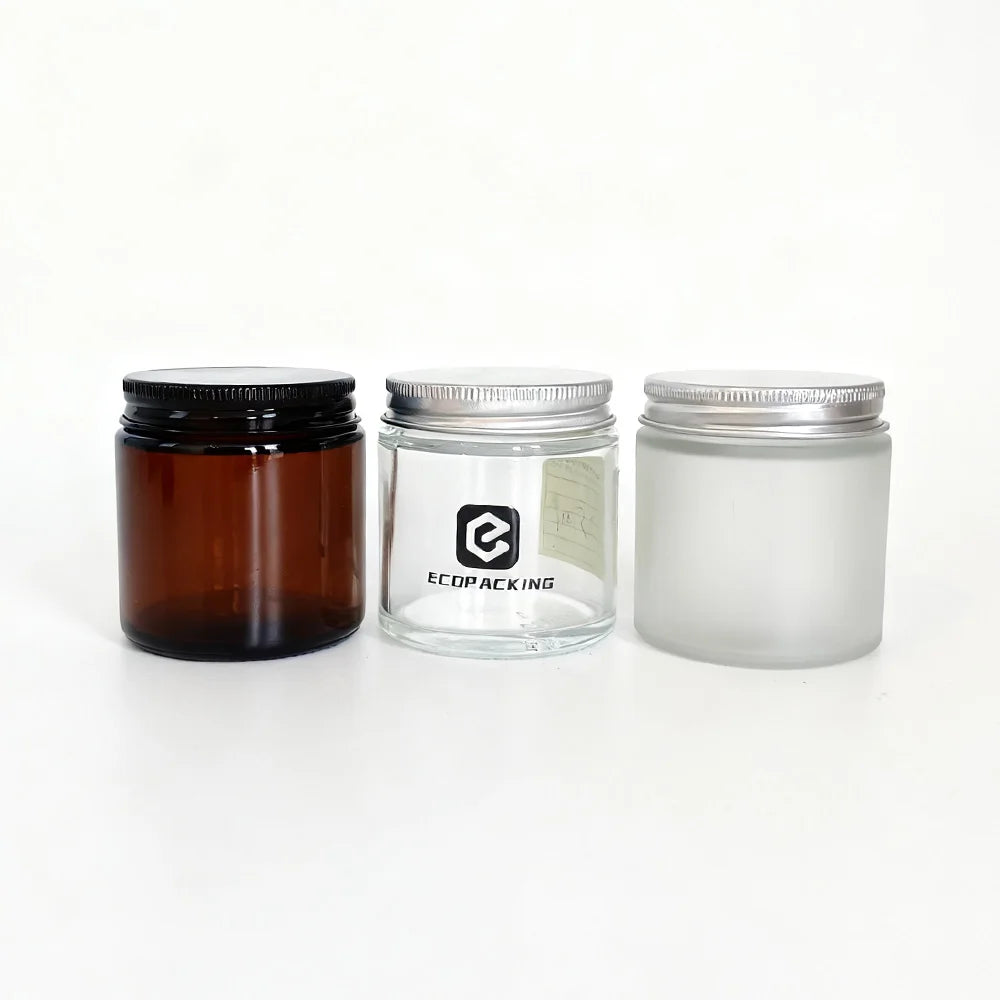
- Frosted effects: Chemical etching or spray coating creates a translucent matte finish that diffuses light and provides a premium tactile experience.
Bottle Shape and Mold Options
The shape of a custom plastic bottle is determined by the blow mold. Key considerations include:
- Stock molds: Pre-existing mold shapes from the supplier’s catalog. Zero mold cost but limited design options. Ideal for startups and small runs.
- Semi-custom molds: Modifications to existing molds (e.g., changing neck finish or adding embossing). Lower mold costs ($500-$2,000) with faster turnaround.
- Fully custom molds: Complete mold fabrication from your 3D design. Higher upfront cost ($3,000-$15,000) but complete design freedom. Best for established brands with volume to amortize the investment.
Surface Decoration and Finishing
Once the bottle shape is established, surface finishing adds brand identity:
- Silkscreen printing: Direct ink application through mesh screens. Cost-effective for multi-color designs and suitable for curved surfaces.
- Hot stamping: Metallic foil transfer using heat and pressure. Creates a premium, reflective finish ideal for logos and brand names.
- Labeling: Pressure-sensitive, shrink-sleeve, or in-mold labels offer different aesthetics and durability levels.
- Embossing and debossing: Raised or recessed design elements molded directly into the bottle surface for a tactile, permanent brand mark.
Neck Finish and Closure Compatibility
The neck finish determines which closures (caps, pumps, sprayers, droppers) will fit your bottle. Common neck finishes for cosmetic plastic bottles include 24/410, 28/410, and 28/400. Ensure your closure supplier and bottle supplier coordinate specifications to avoid compatibility issues. Request fit-testing with actual closure samples before committing to full production.
Material Selection: PET vs PP vs HDPE
Material choice affects clarity, chemical resistance, and recycling profile. PET offers the best clarity and is widely recycled. PP provides excellent chemical resistance and is lighter weight. HDPE offers good barrier properties and a distinctive opaque appearance. The choice should align with your product formulation and brand positioning.
Conclusion
Custom plastic bottles offer an exceptional range of creative possibilities for cosmetic brands. By understanding the interplay between color, shape, finishing, and material choices, you can develop packaging that stands out in a competitive market. Browse our plastic packaging collection for customization-ready options.