Miron violet glass and amber glass both promise UV protection for light-sensitive cosmetic formulations, but they operate on fundamentally different scientific principles. Understanding these differences helps brands choose the right packaging for premium serums, essential oils, and natural skincare products that degrade when exposed to visible light spectrum wavelengths.
How Miron Violet Glass Works: Biophotonic Technology
Violet black UV glass bottle packaging uses a specialized violet-black tint that blocks the full visible light spectrum while selectively allowing small portions of violet and UV-A light to pass through. This biophotonic effect actually energizes the contents, slowing molecular degradation and preserving the potency of active ingredients like vitamin C, retinol, and natural plant extracts. Dark violet dropper bottles and UV miron glass jars are the gold standard for brands marketing clean beauty and potent actives positioning.
Amber Glass: The Traditional UV Barrier
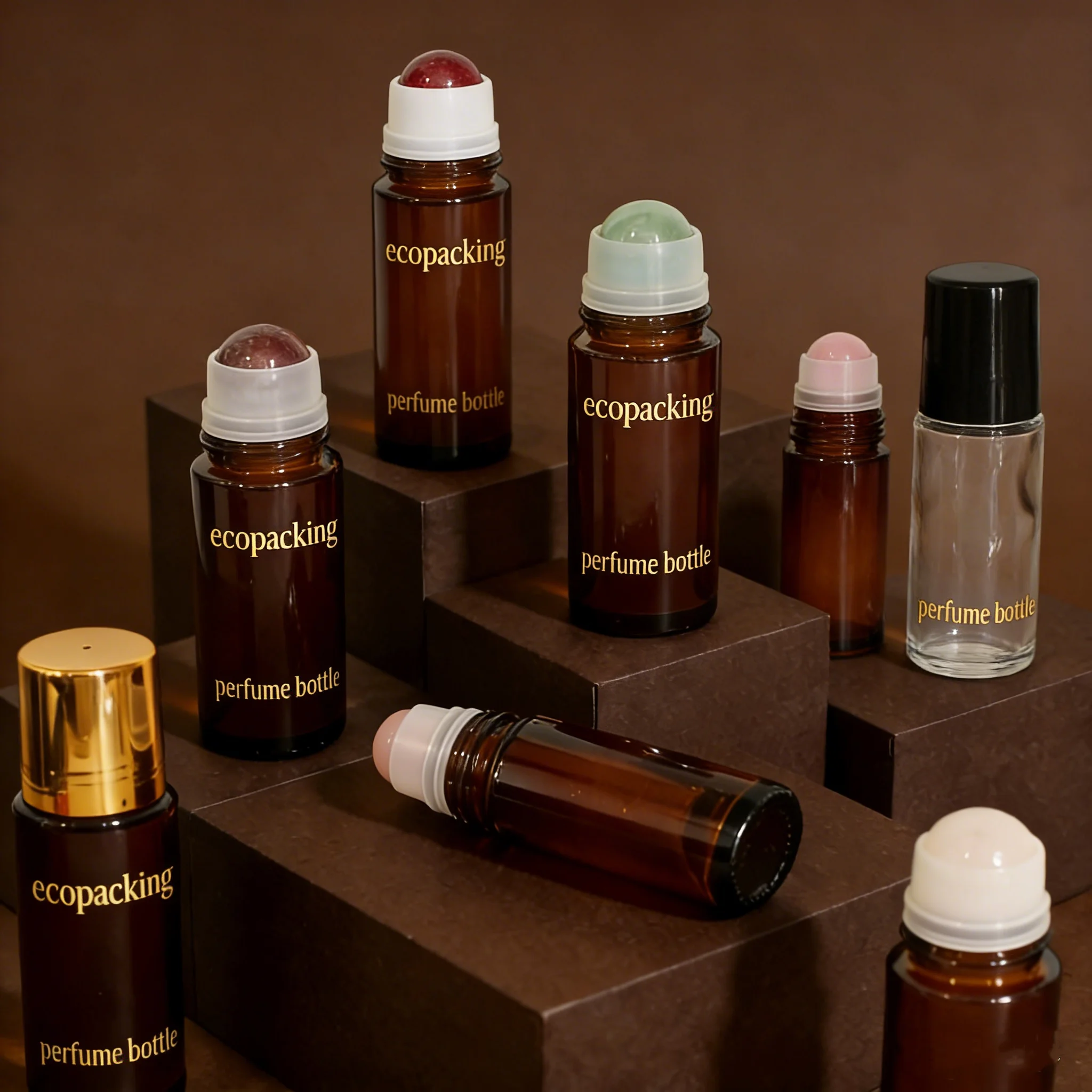
Amber glass has long been the default choice for pharmaceutical and cosmetic packaging requiring light protection. It effectively blocks UV-B and most UV-A radiation, along with a portion of visible blue light. However, amber glass allows more visible light transmission than Miron violet glass, making it less suitable for formulations with extremely high photosensitivity. Frosted glass bottles in amber tone remain popular for mass-market essential oil bottles and dropper bottles where cost efficiency matters more than maximum protection.
Scientific Performance Comparison
Independent lab testing shows that Miron violet glass provides up to 98 percent protection across the visible light spectrum, compared to approximately 70 to 80 percent for standard amber glass. For cosmetic brands using delicate natural ingredients such as cold-pressed oils, probiotic ferments, or antioxidant blends, this difference translates to measurably longer shelf stability. Violet black UV glass packaging is particularly valuable for products marketed with clean beauty claims, where ingredient integrity is a core selling point.
Brand Positioning and Consumer Perception
Beyond functional performance, Miron violet glass carries a strong premium association. The distinctive dark violet color signals apothecary, luxury, and scientific to consumers, justifying higher price points. Amber glass, while trusted, reads as more utilitarian and pharmaceutical. Brands targeting the luxury skincare segment increasingly choose UV miron glass jars and dark violet dropper bottles to differentiate their shelf presence from mass-market competitors.
Cost-Benefit Analysis for B2B Buyers
Miron violet glass typically costs thirty to fifty percent more than amber glass alternatives at comparable MOQs. For established brands with premium positioning, this cost premium is easily justified by extended product stability and elevated brand perception. For emerging brands or private label lines targeting price-sensitive segments, amber glass provides adequate protection at a more accessible price point. Wholesale UV glass sourcing requires careful supplier vetting to ensure authentic Miron material rather than tinted standard glass.
Conclusion
Choose Miron violet glass when maximum light protection and premium brand positioning are both priorities. Opt for amber glass when cost efficiency and adequate UV protection are the primary concerns. Explore our glass packaging collection at EcoFusion Group for wholesale solutions across both technologies.