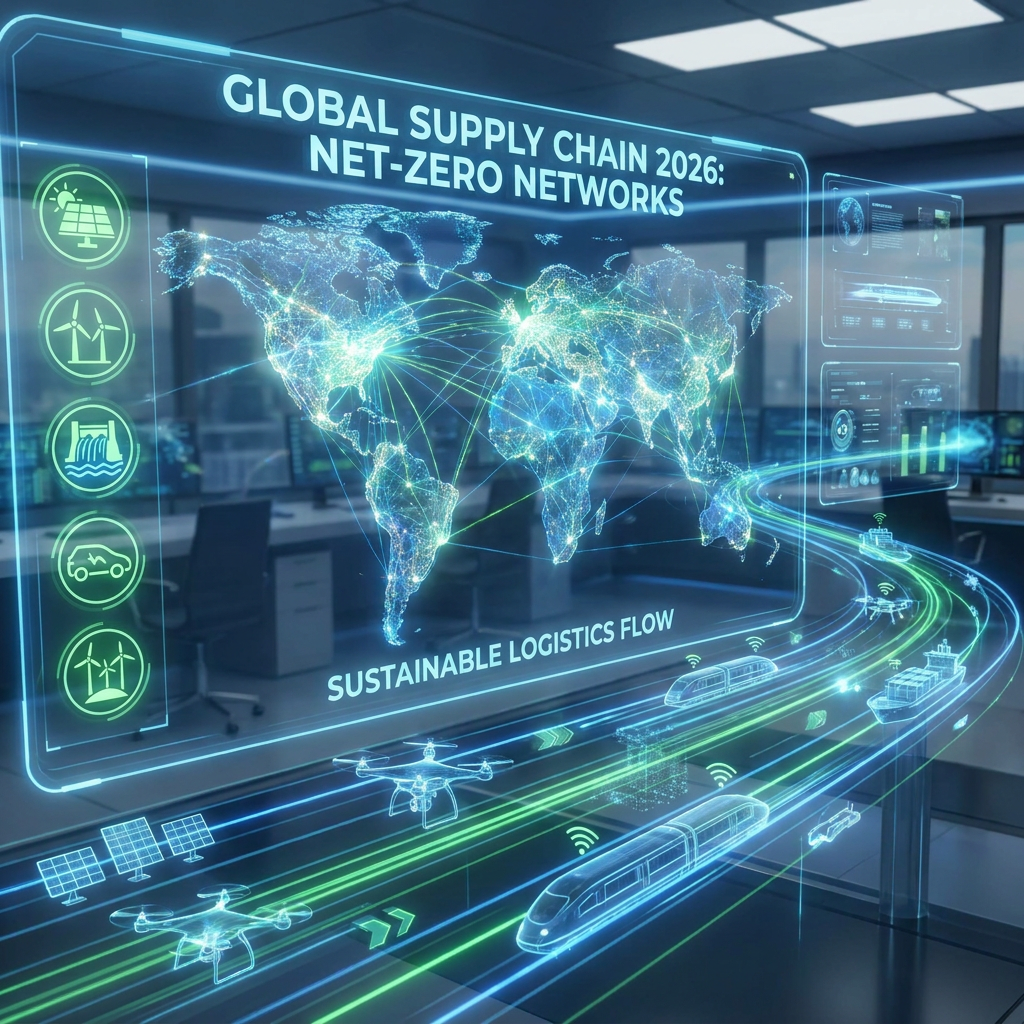
As we look toward 2026, the concept of a “sustainable business” is evolving from a marketing strategy into a foundational operational requirement. The global supply chain is undergoing a profound shift, driven by climate necessity, tighter regulations, and a new generation of tech-savvy, eco-conscious buyers.
\n\n
One of the biggest trends for 2026 is “Radical Traceability.” Using blockchain and advanced tracking, brands can now show consumers the exact journey of their packaging—from the recycling center to the factory to their doorstep. This level of transparency eliminates “greenwashing” and builds deep-seated consumer loyalty.
\n\n
Another major shift is the rise of “Closed-Loop Logistics.” Companies are no longer just shipping products; they are designing systems to take the packaging back. Refill-at-home models and regional wash-and-reuse hubs are becoming the new standard for both beauty and household goods.
\n\n
Trends to Watch in 2026:
\n
- \n
- AI-Optimized Logistics: Using artificial intelligence to minimize shipping distances and carbon emissions.
- Advanced Molecular Recycling: Breaking down complex plastics into their base monomers to create “good as new” recycled content.
- Carbon Neutral Shipping: Widespread adoption of electric fleets and carbon-offsetting as a standard business practice.
- Localized Sourcing: Reducing the “food miles” (or “packaging miles”) by sourcing materials closer to the point of sale.
\n
\n
\n
\n
\n\n
Supply Chain Evolution: 2020 vs 2026
\n\n
| Feature | 2020 Standard | 2026 Vision |
|---|---|---|
| Transparency | Basic “Recyclable” label | Blockchain-backed traceability |
| Logistics | Focus on speed/cost | Focus on carbon efficiency |
| Material Sourcing | Globalization | Regionalization / Near-shoring |
| Waste Goal | Less waste | Zero waste (Circular) |
\n\n
Conclusion:
\n
The sustainable supply chain of 2026 is about more than just “doing less harm.” It’s about creating a system that is regenerative, transparent, and resilient. Brands that start building these connections today will be the ones leading the global economy tomorrow.
\n\n
FAQ Section:
\n
Q: Is blockchain really necessary for sustainability?
\nA: While not strictly necessary, it provides an unalterable record that proves a brand’s claims, which is becoming increasingly important for regulatory compliance.
\n
Q: Will localized sourcing increase prices?
\nA: Initially, it might. However, it reduces risks related to international trade tensions and global shipping delays, providing long-term stability.
\n
Q: What is the first step to a greener supply chain?
\nA: Start with an audit of your current carbon footprint and identify the “low-hanging fruit,” such as switching to recycled packaging materials.